Для оптимизации потребления памяти некоторые классы-оболочки в Java (например Integer, Byte, Short, Long и Character ) кэшируют значения в ограниченном диапазоне (чаще всего от -128 до 127).
Покопавшись в исходниках JDK, можно отыскать внутренний статический класс IntegerCache:
private static class IntegerCache {
        static final int low = -128;
        static final int high;
        static final Integer cache[];

        static {
            // high value may be configured by property
            int h = 127;
            String integerCacheHighPropValue =
                sun.misc.VM.getSavedProperty("java.lang.Integer.IntegerCache.high");
            if (integerCacheHighPropValue != null) {
                try {
                    int i = parseInt(integerCacheHighPropValue);
                    i = Math.max(i, 127);
                    // Maximum array size is Integer.MAX_VALUE
                    h = Math.min(i, Integer.MAX_VALUE - (-low) -1);
                } catch( NumberFormatException nfe) {
                    // If the property cannot be parsed into an int, ignore it.
                }
            }
            high = h;

            cache = new Integer[(high - low) + 1];
            int j = low;
            for(int k = 0; k < cache.length; k++)
                cache[k] = new Integer(j++);

            // range [-128, 127] must be interned (JLS7 5.1.7)
            assert IntegerCache.high >= 127;
        }

        private IntegerCache() {}
    }
В Static-блоке инициализируется массив cache, он заполняется объектами Integer со значениями от -128 до 127 (по умолчанию). Однако верхнюю границу можно расширить, добавив параметр JVM -XX:AutoBoxCacheMax=size. При вызове метода Integer.valueOf, если ему передано значение, которое лежит в кэшируемом отрезке, вернётся ссылка на объект из кэша:
  public static Integer valueOf(int i) {
        if (i >= IntegerCache.low && i <= IntegerCache.high)
            return IntegerCache.cache[i + (-IntegerCache.low)];
        return new Integer(i);
    }
Примеры:
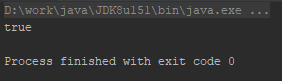
Integer a = Integer.valueOf(10);
Integer b = Integer.valueOf(10);
System.out.println(a == b);
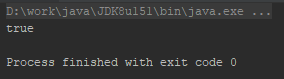
Integer a = Integer.valueOf(500);
Integer b = Integer.valueOf(500);
System.out.println(a == b);
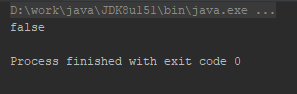
Integer a = Integer.valueOf(10);
Integer b = new Integer(10);
System.out.println(a == b);
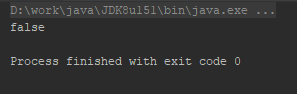
Integer a = Integer.valueOf(10);
Integer b = 10;
System.out.println(a == b);